
You shouldn’t have to choose between feeling like yourself and feeding your baby comfortably. Yet so many new mothers end up in oversized tees and stretched-out bras, not because they want to, but because nobody told them a better way exists. A well-built breastfeeding wardrobe makes every nursing session faster and less stressful, keeps you looking put-together whether you’re at home or out in public, and gives you back something that’s easy to lose in those early postpartum weeks: your confidence. This guide covers exactly what to look for, what to buy first, and how to put it all together.
Table of Contents
- What is a breastfeeding-friendly wardrobe?
- Essential pieces for a practical and stylish wardrobe
- Function meets fashion: Looking good while staying practical
- Building your wardrobe: Mix, match, and layer for real life
- Our take: What most guides miss about breastfeeding wardrobes
- Ready to redefine your nursing style? Shop our top picks
- Frequently asked questions
Key Takeaways
| Point | Details |
|---|---|
| Easy access is key | Clothing with quick open features makes nursing efficient and stress-free. |
| Style and practicality coexist | Modern nursingwear offers discreet access while looking like everyday fashion. |
| Layer for flexibility | Using mix-and-match layers supports both modesty and changing needs. |
| Prioritize comfort fabrics | Soft, stretchy materials ensure comfort with a changing postpartum body. |
| Personal style matters | Choosing clothes that reflect your personality boosts confidence and emotional comfort. |
What is a breastfeeding-friendly wardrobe?
A breastfeeding-friendly wardrobe is a planned set of clothing and underwear designed to make nursing or pumping faster and more comfortable, while keeping coverage and dignity in mind. It’s not just about grabbing tops with lower necklines. It’s a purposeful collection of pieces that work together to support your body and your routine at every stage of breastfeeding.
The core idea is simple: every item you wear should make it easier, not harder, to feed your baby. That means thinking about access first. Clip-down straps, lift-up hems, wrap fronts, hidden zippers, and crossover panels all give you fast, one-handed access without needing to fully undress or wrestle with your clothes mid-feed. When you’re managing a hungry newborn, every second counts.
Beyond access, fabric matters enormously. Your body changes constantly in the weeks and months after birth. Your chest may fluctuate in size by the hour depending on your milk supply. Soft, stretchy fabrics like cotton blends, modal, and bamboo move with you rather than against you. They’re breathable, easy to wash, and gentle on sensitive skin, which matters whether you’re dealing with postpartum skin changes or simply prioritizing comfort during long nights.
Coverage and dignity are just as important as access. A great nursing outfit lets you feed with minimal exposure, which makes nursing in public less stressful and helps you feel more at ease in social settings. Purpose-built inner panels, built-in shelf bras, and layered designs all contribute to this. You can access what you need without putting everything on display.
Here’s a quick look at what separates nursing-specific clothing from regular postpartum or maternity wear:
| Feature | Regular clothes | Nursing-friendly clothes |
|---|---|---|
| Feeding access | Requires pulling up or full removal | Clip-down, wrap, hidden zip, or lift-up |
| Fabric flexibility | Varies widely | Soft, stretchy, and body-adaptive |
| Coverage design | Standard construction | Inner panels, built-in bras, layered modesty |
| Pumping compatibility | Usually not designed for it | Often designed for pump use too |
| Ease during night feeds | Often awkward | Prioritized for speed and comfort |
Key features to look for when shopping for breastfeeding essentials:
- Clip-down or pull-aside straps that work with one hand
- Stretch fabric that accommodates size fluctuations
- Hidden zippers or flap panels in dresses and tops
- Built-in nursing bra support within tanks or gowns
- Inner coverage panels to minimize exposure during feeds
- Designs that look like everyday outfits, not medical garments
Did you know? Most mothers spend an average of 7 to 10 nursing sessions per day during the newborn stage. That’s 7 to 10 times a day your clothing either helps or hinders you.
Essential pieces for a practical and stylish wardrobe
With the basics defined, let’s break down the essential items that make nursing easier and keep you looking great.
The most important investment is a quality nursing bra. A practical nursing wardrobe includes nursing bras and underwear with one-handed access, such as clip-down or pull-aside styles, because these items are used frequently throughout the day and night postpartum. A good nursing bra does three things: it keeps you supported through size changes, it opens quickly and easily, and it stays comfortable across long stretches of wear. Avoid underwire in the early weeks since it can restrict milk ducts and lead to blockages.
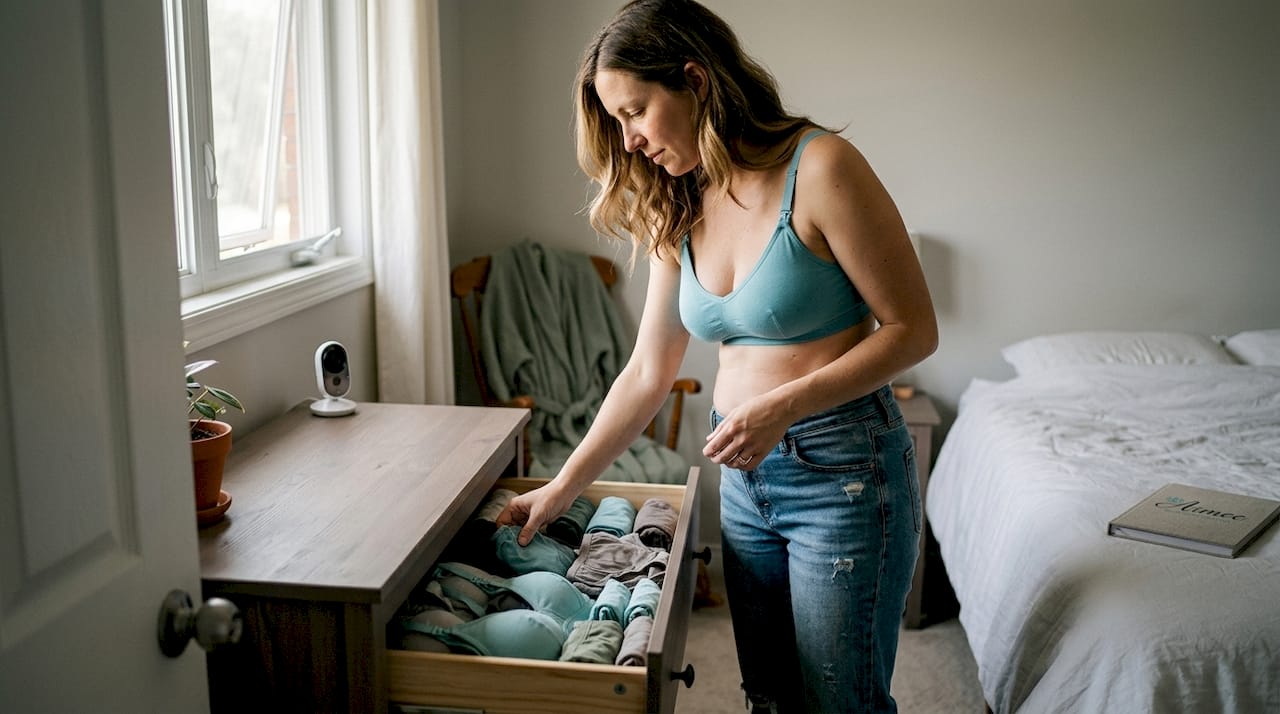
Nursing tanks are a close second in importance. These are the workhorses of a breastfeeding wardrobe. A well-designed tank has a built-in inner shelf bra and clip-down straps, letting you feed without lifting your top. You can layer a cardigan or open button-down over the tank and pop open just the clip, giving you coverage on both the top and bottom. This two-layer method is one of the most popular strategies among breastfeeding mothers because it’s fast, discreet, and versatile.
Wrap dresses and button-front dresses are the elevated option when you want a polished look. A wrap dress naturally opens from the front and can be adjusted as your body changes, making it a genuinely useful piece at every stage. Button-front designs let you open just the buttons you need.
Postpartum recovery doesn’t stop at your neckline. Supportive, soft underwear matters for your overall comfort and healing. High-waisted postpartum underwear offers gentle compression and belly support while keeping seams away from sensitive areas. If you’re also looking for options with a softer color palette, comfortable postpartum underwear in neutral tones can make getting dressed feel a little more intentional even on your hardest days. Layering in a little extra care below the waist supports your postpartum recovery overall.
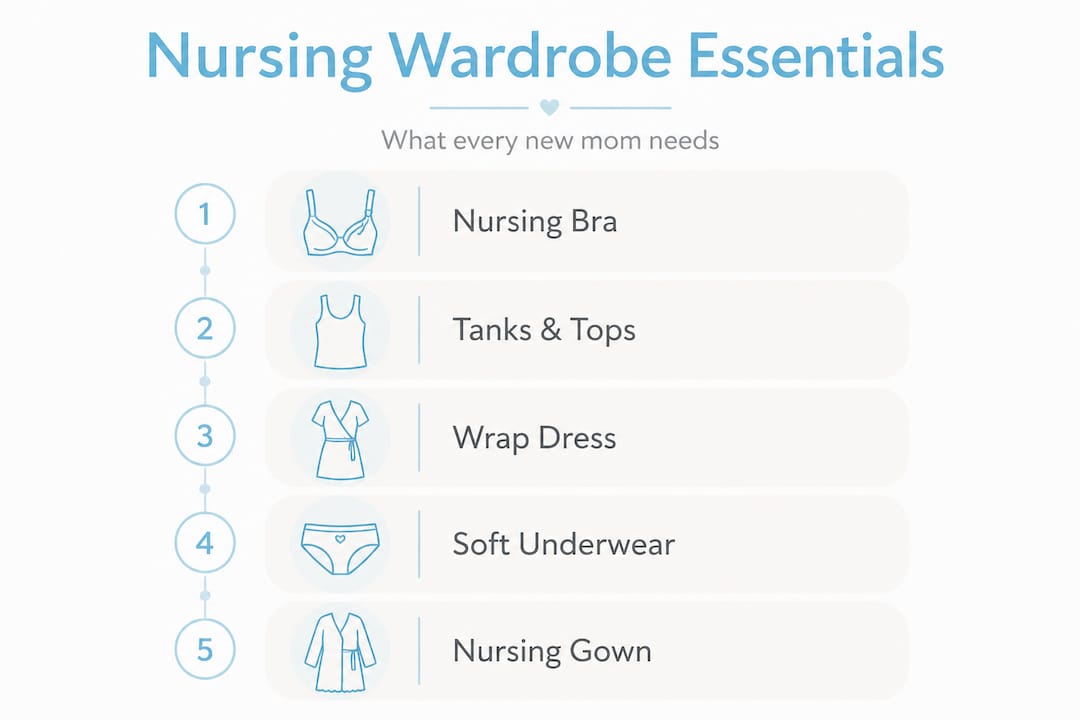
| Item | Primary function | Why it matters |
|---|---|---|
| Nursing bra | Support and access | Used 7+ times daily; must be reliable |
| Nursing tank | All-day base layer | Versatile, discreet, doubles as sleepwear |
| Wrap or button dress | Polished access option | Easy feed access in any setting |
| Cardigan or open jacket | Layering for modesty | Adds warmth and extra coverage |
| High-waisted underwear | Recovery and support | Gentle compression and comfort |
| Sleepwear with access | Night feeds | Reduces disruption and friction |
Pro Tip: Buy at least two or three nursing bras before your baby arrives, but wait until after your milk comes in before buying more. Your size will likely shift significantly in the first two weeks postpartum, and buying too many too soon can mean wasted money on pieces that no longer fit.
Function meets fashion: Looking good while staying practical
If you’re picturing drab, shapeless clothes, think again. Here’s how to combine real-world function with confidence-boosting style.
Modern nursing clothing is designed to look like everyday wear. The best pieces are indistinguishable from regular fashion at a glance. Stylish nursing clothes achieve “access without looking overly utilitarian” by using regular-looking silhouettes like shirts, blouses, and dresses fitted with discreet nursing mechanisms such as hidden zips, flaps, or panels. That means you can show up to a family gathering, a casual brunch, or a postpartum checkup looking like yourself, without telegraphing anything about your feeding routine.
The key is in the details. A top with a bold floral print or an interesting texture naturally draws the eye upward and away from the access point. Drape-heavy fabrics like jersey knit move beautifully and tend to fall back into place naturally after a feed. Ruching along the sides, empire waistlines, and soft pleating all create visual interest while staying flexible and forgiving as your body shifts.
Here’s what to prioritize when shopping for fashionable nursing pieces:
- Hidden zippers: Built into side seams or under the bust for seamless access
- Wrap styles: Naturally adjustable, flattering on all body types, and easy to open
- Shelf-bra tanks: Worn alone or layered, they function as a built-in nursing bra with clean styling
- Button-front blouses: Timeless, versatile, and easy to wear with jeans or skirts
- Flowy cardigans: Add color, warmth, and extra coverage over any nursing top
Explore the range of stylish nursing tops available today and you’ll find that the variety is genuinely impressive. From clean, minimalist cuts to vibrant patterns, there’s no reason your feeding wardrobe should feel like a uniform.
“The best nursing clothes feel like a secret only you know about. Nobody watching you in a coffee shop should be able to tell your top opens at all.”
Your bra choice also contributes to how polished you feel. A well-structured nursing bra under a nice blouse gives your silhouette shape and support. Sleek nursing bras with a contour design sit smoothly under fitted tops without visible lines or bunching. And when you’re choosing fabrics across your whole outfit, it helps to know what actually performs well against your skin. A deeper look at best maternity fabrics can help you narrow down options that feel great and last through repeated washing.
Pro Tip: Build outfits around one statement piece. If you love a printed wrap dress, keep everything else neutral. If you prefer a bold cardigan, let that carry the look over a simple nursing tank. This approach keeps your wardrobe cohesive without requiring a lot of pieces.
Building your wardrobe: Mix, match, and layer for real life
Now that you know what to buy and how to stay stylish, here’s how to build a system that fits every stage and occasion.
A layering system is the most practical strategy for breastfeeding in public and at home. According to recommendations from The Bump, most nursing wardrobe advice focuses on combining access openings with layering or inner coverage to reduce unnecessary exposure during feeds. The classic approach is to pair a nursing tank as your base layer with a cardigan, button-down shirt, or lightweight jacket on top. When you need to feed, the outer layer stays closed over your torso while you access the clip below.
Here’s a simple system that works for most lifestyles:
- Start with five nursing tanks in neutral colors like black, white, gray, and navy. These form the foundation of nearly every outfit.
- Add three to four cardigans or open-front layers in complementary colors or soft patterns. These give you coverage and warmth in any setting.
- Choose two or three dresses with wrap, button, or hidden-zip designs for days when you want a one-piece option.
- Pick two to three casual tops with built-in nursing access for around-the-house wear and quick errands.
- Invest in comfortable sleepwear with nursing access for night feeds, since disrupted sleep is hard enough without fighting with your clothes.
As your body continues to change postpartum, your wardrobe needs to change with it. Many mothers find that their size stabilizes somewhat by around six to eight weeks after birth, though fluctuations can continue as long as you’re breastfeeding. Adjustable pieces like wrap styles and stretchy basics can grow with you. Seamless maternity underwear stays comfortable through all of these shifts without adding pressure or friction.
Don’t underestimate the value of a good nursing gown for overnight feeds. A well-designed comfortable maternity gown with front access means you can go from sound asleep to feeding your baby with minimal fuss, which makes a real difference at 3 a.m. And if sleep quality is something you’re actively working on, reading through sleep and comfort tips can help you choose sleepwear that supports real rest.
Pro Tip: Before buying anything, do a “nursing test” at the fitting room or at home. Practice unclipping the strap or accessing the opening with just one hand while holding something of similar weight to your baby. If it takes more than five seconds or requires two hands, keep looking.
Our take: What most guides miss about breastfeeding wardrobes
Most wardrobe guides stop at the mechanics. They tell you to buy clip-down straps and layer a cardigan, then call it done. That’s useful information, but it skips the part that actually affects your daily experience: how you feel when you look in the mirror.
The postpartum period involves significant physical and emotional adjustment. Your body looks and feels different. Your routine has completely changed. In the middle of all that, getting dressed each morning can feel either depleting or quietly grounding, and the difference often comes down to whether your clothes feel like yours.
We’ve seen the importance of fabric choice play out not just in comfort ratings, but in how mothers describe their confidence. Wearing something soft and well-fitting sends a small but meaningful signal: you still matter. Your preferences still count. You’re not just a feeding machine in a stretched-out shirt.
Our honest advice? Don’t default to purely functional. If you love bold colors, include them. If soft, muted tones calm you down in a hectic morning, build around those. A great breastfeeding wardrobe doesn’t just support your baby’s needs. It supports you, and that’s not a luxury. It’s a real part of postpartum wellbeing.
Ready to redefine your nursing style? Shop our top picks
You’ve done the research. Now it’s time to actually build the wardrobe you deserve.
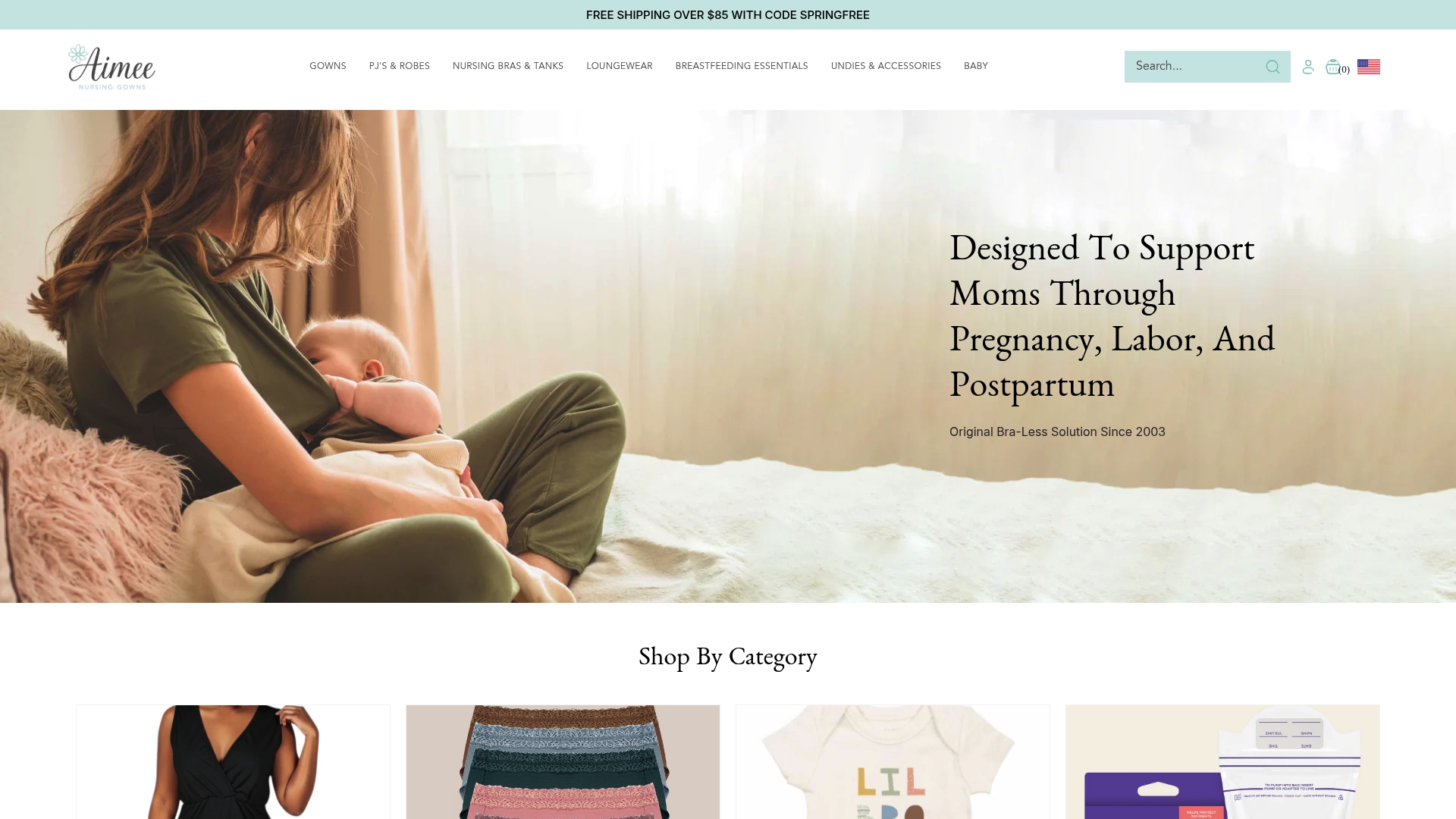
At NursingGowns.com, every piece is designed with exactly this balance in mind: easy access, soft fabrics, inclusive sizing, and styles you’ll genuinely want to wear. Whether you’re starting from scratch or filling in gaps, our nursing tops collection has options for every occasion, from quiet nights at home to confident outings with your baby. Stock up on the foundation pieces through our curated breastfeeding essentials range, and explore our full lineup of gowns, robes, underwear, and accessories at NursingGowns.com. Your wardrobe should work as hard as you do.
Frequently asked questions
What fabrics are best for a breastfeeding-friendly wardrobe?
Soft, stretchy, and absorbent fabrics like cotton blends, modal, and bamboo allow comfort and flexibility while adapting to your changing body throughout the breastfeeding journey.
Can I use regular clothes for breastfeeding, or do I need special pieces?
You can adapt some regular clothes with buttons or wrap styles, but dedicated nursing designs with hidden zips and flaps offer significantly quicker, more discreet access during frequent daily feeds.
How many nursing-friendly tops should I have?
A base of four to six nursing tops gives you enough to rotate comfortably between washes and allows you to dress appropriately for various activities without running out of clean options.
What should I prioritize for nighttime breastfeeding?
Prioritize seamless bras, gowns or tops with easy nursing access, and soft layering that keeps you warm without requiring effort at 3 a.m.
Is it possible to build a stylish nursing wardrobe on a budget?
Absolutely. By investing in versatile base pieces like nursing tanks and one or two quality bras, then mixing in carefully selected regular clothes with wrap or button-front designs, you can build a functional and stylish wardrobe without overspending.
Recommended
- Maternity Nursing Tops for Women’s Comfortable Daily Wear
- Nursing Covers - Comfortable & Discreet Feeding
- Nursing Gowns & Maternity Overalls – Comfortable Wear
- Find the best maternity fabrics: Comfort, style, and function
- how to dress well women | Fashion & Style Tips | Fashion Feed| Coveti
- Lingerie confortable : 5 clés pour booster votre confiance – Valetta.fr