
Choosing what you actually need for pregnancy, labor, and breastfeeding feels overwhelming when every product claims to be essential. The market is flooded with items that promise to make motherhood easier, but most moms end up with a closet full of things they barely touched. The truth is, a shorter, smarter list of genuinely useful essentials does more for your comfort and confidence than any mega-registry ever could. This guide walks you through exactly what to prioritize, what to skip, and how to build a maternity kit that works for your real life.
Table of Contents
- How to prioritize your maternity essentials
- Maternity clothes that grow with you
- Breastfeeding and nursing essentials every mom needs
- Breast pumps and feeding aids: What to include (and skip)
- Smart packing: Hospital bag and at-home must-haves
- Handling common challenges: Specialized solutions
- Essentials head-to-head: Which gear stands out?
- What most maternity lists miss: Quality over quantity
- Ready to build your ultimate maternity essentials kit?
- Frequently asked questions
Key Takeaways
| Point | Details |
|---|---|
| Comfort is key | The best essentials are those that offer comfort during all maternity and nursing stages. |
| Prioritize versatility | Select items like leggings, gowns, and nursing bras that work for pregnancy, hospital, and beyond. |
| Multi-use wins | Avoid clutter by skipping single-use gadgets in favor of products with multiple applications. |
| Quality over quantity | Invest in fewer, better-made essentials for reliable comfort and support. |
| Expert guidance matters | Practical technique and professional advice outweigh most products in smoothing your transition to motherhood. |
How to prioritize your maternity essentials
Before you add a single item to your cart, it helps to have a framework. Your body changes fast during pregnancy, so anything you buy needs to adapt with you rather than become useless by the second trimester.
The most practical approach is to focus on multi-use garments over single-purpose gadgets. A good nursing gown, for example, works during late pregnancy, labor, and breastfeeding. A belly support band works through all three trimesters. One well-chosen item can replace three mediocre ones.
Your birth plan and lifestyle also shape your list. A mom planning a hospital birth needs different items than someone doing a home birth. A mom returning to work at eight weeks needs a wearable pump. A stay-at-home mom may prioritize comfort and ease of access over portability. Knowing your situation before you shop saves real money.
Key priorities to guide your choices:
- Comfort and adaptability across all three trimesters
- Breathable, soft fabrics that won’t irritate sensitive skin
- Items that serve double duty (sleep and hospital, nursing and daily wear)
- Postpartum recovery needs, which are often underplanned
Maternity and nursing sleepwear is one of the most underrated categories. A good gown covers you for hospital admission, recovery, and nighttime nursing all at once. As Novant Health outlines, core maternity clothing includes 2 to 3 pairs of maternity leggings or pants with belly support, which confirms that a minimalist, versatile wardrobe is the smarter path.
Pro Tip: Before buying anything, write down your three most pressing daily discomforts. Build your list around solving those first.
Maternity clothes that grow with you
Now that you know how to focus your list, let’s explore the clothing basics that cover both style and function.
The foundation of any maternity wardrobe is belly support pants or leggings. According to Novant Health’s hospital bag guide, 2 to 3 pairs of maternity leggings with belly support are all you need. Look for a wide, fold-over waistband that sits comfortably under or over your bump depending on your trimester.

Nursing bras deserve serious attention. A good bra does more than hold things in place. It supports changing breast tissue, prevents discomfort during feeding, and needs to work at 3 a.m. when you’re half asleep. Pregnancy Magazine recommends that nursing bras have 4-way stretch along with adjustable straps and extenders to accommodate size changes throughout pregnancy and postpartum recovery.
Core clothing essentials at a glance:
- 2 to 3 pairs of belly support leggings or maternity pants
- 2 to 3 wire-free nursing bras with clip-down access
- Loose, breathable tops that allow easy nursing access
- Front-opening gowns that work for sleep and hospital stays
- Non-slip socks for home safety and labor ward floors
Comfortable nursing tops with discreet access panels are worth every penny. They look like regular tops but let you nurse without undressing, which matters enormously when you’re in public or just exhausted at home.
Seamless maternity underwear is another category that moms often underestimate until they’re deep in the third trimester. Seams that dig in become unbearable as your belly grows, and postpartum recovery requires soft, non-restrictive coverage over sensitive areas.
Pro Tip: Buy nursing bras in your late second trimester when your size has mostly stabilized, then add one size up for postpartum engorgement.
Breastfeeding and nursing essentials every mom needs
After your wardrobe, the right nursing gear will make feeding comfortable. Here’s what matters most.
Breastfeeding success depends more on preparation and support than on having every gadget available. That said, a few well-chosen items make a measurable difference in comfort and confidence.
Pregnancy Magazine’s 2026 breastfeeding guide identifies nursing essentials as supportive wireless bras with clip-down access, nursing pads, and nipple cream as the non-negotiable starting point. Everything else is optional depending on your situation.
Must-have nursing essentials:
- Wireless nursing bras with 4-way stretch
- Reusable or disposable nursing pads to manage leaks
- Lanolin-based or organic nipple cream for soreness
- A nursing pillow like the Boppy or My Brest Friend for posture support
- Breast milk storage bags for pumped milk
“A supportive nursing bra isn’t just a comfort item. It’s functional gear that protects breast tissue, supports milk production, and keeps you comfortable through round-the-clock feedings.”
Nipple soreness is one of the top reasons moms stop breastfeeding early. Lanolin cream applied after each feed creates a protective barrier that speeds healing. Organic balms made with calendula or coconut oil are excellent alternatives for moms who prefer plant-based options.
Nursing pillows are genuinely useful, especially in the first weeks when your arms tire quickly and your baby hasn’t developed strong neck control. The Boppy is versatile and doubles as a tummy time support later. My Brest Friend has a firmer, flatter surface that many lactation consultants prefer for newborn latching.
| Item | Why it matters | What to look for |
|---|---|---|
| Nursing bra | Supports changing breast size | 4-way stretch, clip-down access |
| Nursing pads | Prevents leaks and skin irritation | Breathable, washable, contoured |
| Nipple cream | Soothes and heals soreness | Lanolin or organic, baby-safe |
| Nursing pillow | Supports posture and latch | Firm, washable cover |
| Storage bags | Preserves pumped milk | BPA-free, leak-proof seal |
Pregnancy Magazine’s nursing bra benchmarks also emphasize breathable fabrics to prevent chafing, which is especially important during summer months or for moms who run warm.
Pro Tip: Apply nipple cream right after nursing, before your skin fully dries. It absorbs better and creates a stronger protective layer.
Breast pumps and feeding aids: What to include (and skip)
Nursing isn’t always possible at the breast. Here’s how to choose the right pump and avoid clutter.
The breast pump market is crowded, and the price range is enormous. But the features that actually matter are straightforward: suction strength, noise level, and portability.
The Spectra S1 Plus consistently tops expert rankings as a hospital-grade pump for home use, offering strong, customizable suction in a relatively quiet package. Wearable options like the Momcozy M9 and Eufy S1 Pro give you hands-free pumping freedom, which matters when you need to pump at work or while caring for your baby.
Pump features worth prioritizing:
- 250+ mmHg suction strength for efficient milk expression
- Quiet operation under 42 dB, especially for nighttime use
- Adjustable suction levels (9 to 12 levels ideal)
- Rechargeable battery for portability
- Easy-to-clean parts with minimal assembly
Manual pumps are underrated for occasional use. They’re silent, require no power, and are perfect for quick relief when you’re engorged or away from your electric pump. A manual breast pump takes up almost no space in a hospital bag and costs a fraction of electric models.
A hands-free pumping bra is one of the most practical accessories you can add. It holds pump flanges in place so you can eat, scroll your phone, or rest while pumping instead of holding everything with both hands for 20 minutes.
What to skip: Wipe warmers dry out wipes and bottle warmers are unnecessary when warm water works just as well. Fancy sterilizers, elaborate bottle drying racks, and specialty feeding gadgets rarely earn their counter space.
| Pump type | Best for | Key feature |
|---|---|---|
| Electric double pump | Daily, high-volume pumping | Efficiency and suction |
| Wearable pump | Work, hands-free sessions | Portability |
| Manual pump | Occasional relief, travel | Silent, no power needed |
Pro Tip: Check your insurance before buying a pump. Most plans in the U.S. cover at least one electric breast pump per pregnancy under the Affordable Care Act.
Smart packing: Hospital bag and at-home must-haves
Once you have gear for daily life, here’s how to pack smart for your hospital stay and return home.
Most moms overpack. Hospitals provide more than you think, and you won’t want to dig through a stuffed bag while in labor.
What hospitals typically provide:
- Basic newborn diapers and wipes
- Postpartum pads and mesh underwear
- Basic toiletries like soap and shampoo
- Swaddle blankets and a basic newborn hat
What you must bring yourself:
- Photo ID and insurance card
- Birth plan (printed copies)
- Comfortable labor and delivery gown
- Robe for walking the halls
- Non-slip socks or slippers
- Lip balm, toothbrush, and personal toiletries
- Snacks for you and your support person
- Phone charger and camera
- Installed car seat (required before discharge)
- Going-home outfits for you and baby
According to Texas Children’s Hospital’s packing checklist, hospital bag must-haves include toiletries, a pillow or blanket from home, ID, car seat, snacks, and a going-home outfit sized for pre-pregnancy or early postpartum.
A labor and delivery gown is one item worth investing in. Hospital gowns are functional but not comfortable or flattering. A well-designed personal gown gives you easy access for monitoring, IV lines, and nursing, while making you feel more like yourself during one of the most intense experiences of your life.
Pro Tip: Pack your hospital bag by week 36. Babies have their own timeline, and being ready early removes one major source of stress.
Handling common challenges: Specialized solutions
Some challenges are common, but with a few specialty items you can solve problems quickly and confidently.
Breastfeeding doesn’t always start smoothly, and that’s completely normal. The key is knowing which tools help and which ones just add to the clutter.
Specialty items worth having on hand:
- Nipple shields for latch difficulties with flat or inverted nipples
- Cold gel packs for engorgement relief
- Breast shells to protect sore nipples between feedings
- A hand expression guide or video resource
“For flat or inverted nipples, nipple shields used short-term with lactation consultant guidance can bridge the gap while you work on latch technique.”
According to clinical guidance from UpToDate on breastfeeding problems, frequent feeding 8 to 12 times daily is the most effective way to prevent engorgement, plugged ducts, and mastitis. Varying feeding positions and gentle massage also reduce the risk of blockages.
The most important resource isn’t a product at all. Having a lactation consultant’s contact information saved before your baby arrives means you have expert help within reach when problems surface, usually at 2 a.m. on a weekend.
Pro Tip: Save the number for a local lactation consultant in your phone before your due date. You’ll be grateful you did.
Essentials head-to-head: Which gear stands out?
To help you decide at a glance, here’s how each major category of essentials stacks up.
| Category | Top pick | Key feature | Versatility |
|---|---|---|---|
| Maternity clothing | Belly support leggings | Adapts across all trimesters | High |
| Nursing bras | Wire-free with clip-down | 4-way stretch, adjustable | Very high |
| Breast pump | Spectra S1 Plus | Hospital-grade suction | High |
| Hospital bag | Personal labor gown | Comfort plus medical access | High |
| Nursing support | Nursing pillow | Posture and latch help | Medium |
| Specialty items | Nipple shields | Short-term latch solution | Situational |
As Novant Health confirms, maternity clothing essentials center on belly support and adaptability, which is exactly what this comparison reflects. The items with the highest versatility scores consistently deliver the best value across pregnancy, labor, and postpartum recovery.
What most maternity lists miss: Quality over quantity
Here’s something most maternity guides won’t tell you directly: the length of your essentials list is inversely related to how prepared you actually feel.
We’ve seen moms arrive at the hospital with two enormous suitcases and still feel like they’re missing something. We’ve also seen moms pack a small tote with eight carefully chosen items and feel completely ready. The difference isn’t the number of products. It’s the confidence that comes from owning things you’ve thought through and trust.
The same principle applies to breastfeeding gear. Direct breastfeeding and latch technique matter far more than any pump or accessory. Frequent, direct nursing builds supply better than pumping alone, and no gadget replaces the value of good positioning and a proper latch learned with a trained consultant.
Most moms, looking back, wish they had skipped at least half of what they bought. The wipe warmer collected dust. The elaborate bottle sterilizer was replaced by a pot of boiling water. The specialty nursing pillow sat in a corner after week three.
What they didn’t regret: a great nursing bra, a comfortable gown, a reliable pump, and a good support network. Invest in quality where it counts, and give yourself permission to start small. You can always add items once you know what your specific situation actually requires.
Ready to build your ultimate maternity essentials kit?
When you’re ready to check off your essentials list, trusted comfort and quality are just a click away.
At NursingGowns.com, every product is chosen with real maternal needs in mind, founded by a healthcare professional who understands what actually helps versus what just looks good on a registry. From seamless no-chafe maternity underwear that keeps you comfortable through every trimester to the Signature Sublime nursing bra designed with 4-way stretch and easy clip-down access, the collection covers your real-world needs without the overwhelm.
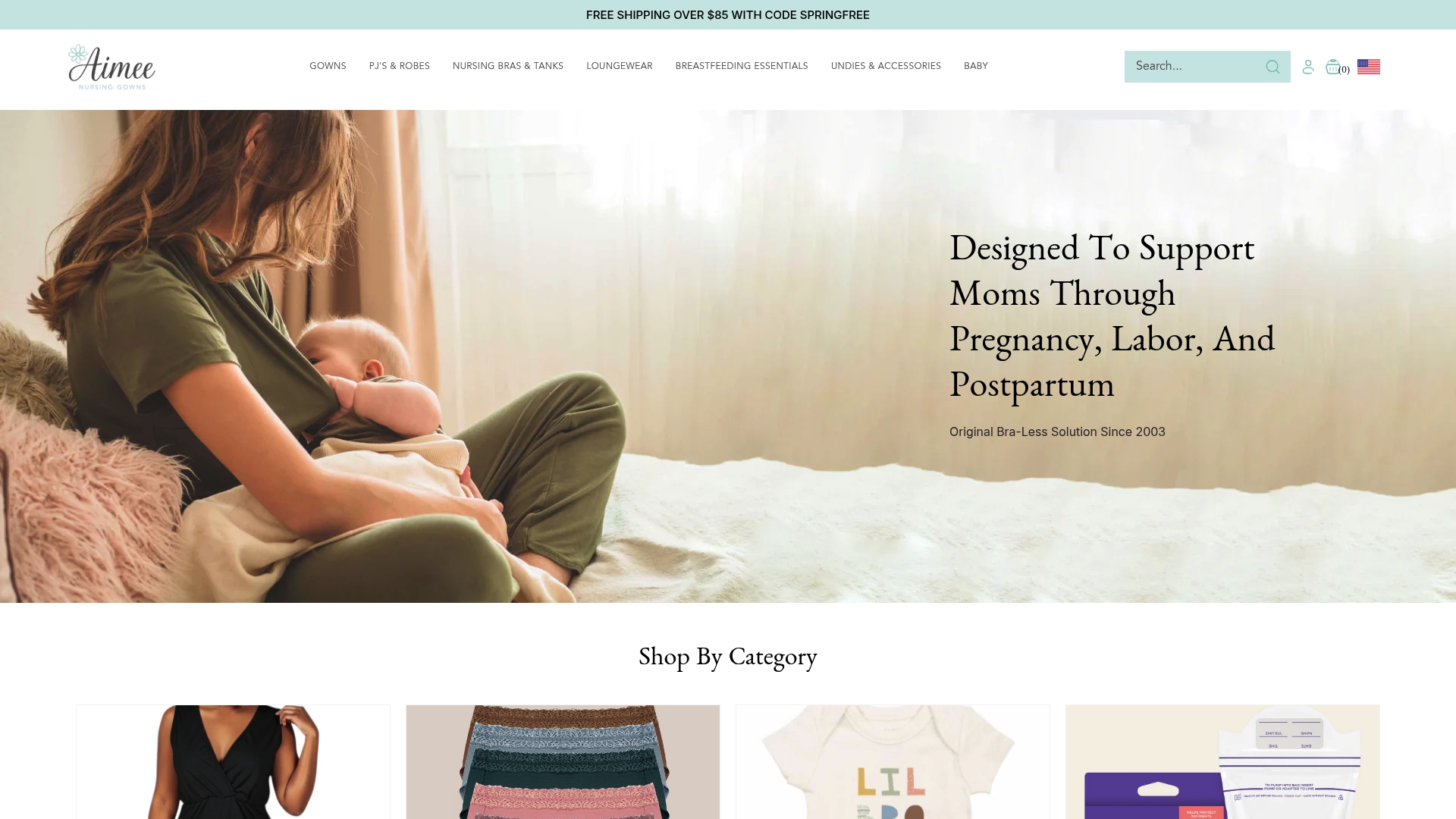
Whether you’re building your hospital bag or stocking up on postpartum essentials, you’ll find everything you need to feel supported, confident, and comfortable. Shop maternity and nursing essentials and build a kit that actually works for you.
Frequently asked questions
How many maternity bras and leggings do I really need?
Most moms find that 2 to 3 high-quality nursing bras and 2 to 3 pairs of belly support leggings are enough to handle frequent wear and washing without feeling stretched thin.
Do I need to get a hospital-grade electric breast pump?
Most moms benefit from an efficient electric pump like the Spectra S1 Plus, but wearable and manual pumps are solid alternatives depending on your lifestyle and pumping frequency.
What’s the most overlooked but useful maternity essential?
Non-slip socks or slippers are a hospital bag must-have that most moms forget until they’re walking cold hospital floors during labor or early recovery.
Should I buy every product on typical baby registry lists?
Focus on essentials and multi-use items. Wipe warmers and bottle warmers are among the most commonly skipped items by experienced moms, since simpler alternatives work just as well.
What if I have trouble breastfeeding?
Try frequent feeding, varied positions, and reach out to a lactation consultant early. Nipple shields used short-term under expert guidance can help with latch issues related to flat or inverted nipples.