
Most mothers-to-be cycle through 15 or more clothing items during a single pregnancy, many of which end up in landfills within months. That footprint adds up fast, but the good news is that choosing eco-conscious maternity wear does not require giving up comfort, style, or practicality. The idea that sustainable clothing is scratchy, shapeless, or expensive is one of the most persistent myths in the maternity space. This guide breaks down what eco-conscious maternity wear really means, why it matters for your health and the planet, and how to shop for pieces you will actually wear and love.
Table of Contents
- Understanding eco-conscious maternity wear
- Environmental and health benefits
- Comparing materials and certifications
- How to shop: Practical tips for eco-conscious maternity wear
- Our perspective: Why smart shopping matters more than chasing labels
- Explore stylish, sustainable maternity options
- Frequently asked questions
Key Takeaways
| Point | Details |
|---|---|
| Certifications matter | GOTS and OEKO-TEX certifications are the strongest indicators of true eco-conscious maternity wear. |
| Balance impact and safety | Both organics and recycled synthetics have roles; consider environmental and skin health benefits. |
| Smart shopping steps | Check labels, verify transparency, and fit-test to ensure style, comfort, and sustainability. |
| Avoid greenwashing | Look beyond vague claims and fast fashion; demand certification and clear sourcing. |
| Shop for longevity | Choose maternity designs that last from pregnancy through postpartum for both value and reduced waste. |
Understanding eco-conscious maternity wear
Eco-conscious maternity wear refers to clothing designed for pregnancy and postpartum life using methods that minimize harm to the environment and to the people who make and wear it. It goes well beyond choosing something labeled “natural” at the store. The term covers a whole range of practices and standards that work together to reduce the full lifecycle impact of a garment.
Key practices that define genuinely eco-conscious maternity clothing include:
- Low-waste manufacturing that cuts down on fabric scraps and dye runoff
- Ethical labor practices ensuring fair wages and safe conditions for garment workers
- Certified organic fibers such as cotton or bamboo grown without synthetic pesticides
- Designs that grow with your body, moving seamlessly from pregnancy through postpartum and beyond
Two certifications show up repeatedly in this space and are worth understanding. GOTS, short for Global Organic Textile Standard, requires that at least 95% of fibers are organic with no toxic chemicals and proper wastewater treatment throughout production. OEKO-TEX certification takes a different approach, testing finished garments for over 100 harmful substances rather than regulating the farming process. Both are meaningful and serve different purposes, and the best brands pursue both.
Understanding eco-friendly terminology is genuinely useful here because the maternity clothing market uses words like “natural,” “green,” and “pure” loosely and without accountability. A garment can be labeled natural and still be treated with formaldehyde-based finishes that cause skin irritation. Certifications remove that guesswork entirely.
One of the smartest features of eco-conscious maternity design is the transition-for-longevity concept. Pieces like nursing-compatible tops, wrap-style robes, and no-chafe maternity underwear are designed to keep working for you long after delivery, reducing how many items you actually need to buy across your entire maternal journey.
“The most eco-conscious choice is always the garment you wear the longest. Design that adapts to your changing body is sustainability built right into the seams.”
Environmental and health benefits
Understanding the core concepts, let’s look at the benefits eco-conscious choices bring to you and the planet. The numbers here are striking, and they make the case far better than any marketing copy.
Organic cotton uses up to 91% less water than conventional cotton farming. That is not a small efficiency gain, it is a transformation in resource use. Conventional cotton also relies heavily on synthetic pesticides and fertilizers, which contaminate groundwater and damage surrounding ecosystems. GOTS certification bans both pesticides and GMOs entirely, creating a far cleaner supply chain from field to finished garment.
The fashion industry produces 92 million tons of textile waste every year, and maternity clothing contributes meaningfully to that number because the window of use is so compressed. Swapping conventional pieces for certified organic ones makes a measurable difference: avoiding fast-fashion equivalents can save roughly 98 kg of CO2 per cotton dress over its lifecycle.
| Conventional clothing | Eco-conscious alternative | Impact difference |
|---|---|---|
| Conventional cotton | GOTS organic cotton | Up to 91% less water used |
| Fast fashion synthetics | Recycled or certified blends | Reduced microplastic shedding |
| Single-use maternity wear | Transition-design pieces | Fewer garments purchased overall |
| Untreated dyes | OEKO-TEX certified processing | No harmful chemical residue on skin |
The health angle matters just as much, especially during pregnancy when your skin is more sensitive and more absorbent. Hormonal changes during pregnancy increase skin sensitivity and often trigger conditions like contact dermatitis. Wearing garments finished with toxic dyes or formaldehyde resins directly against your skin for hours each day is not a neutral choice. Certified fabrics remove that risk entirely.
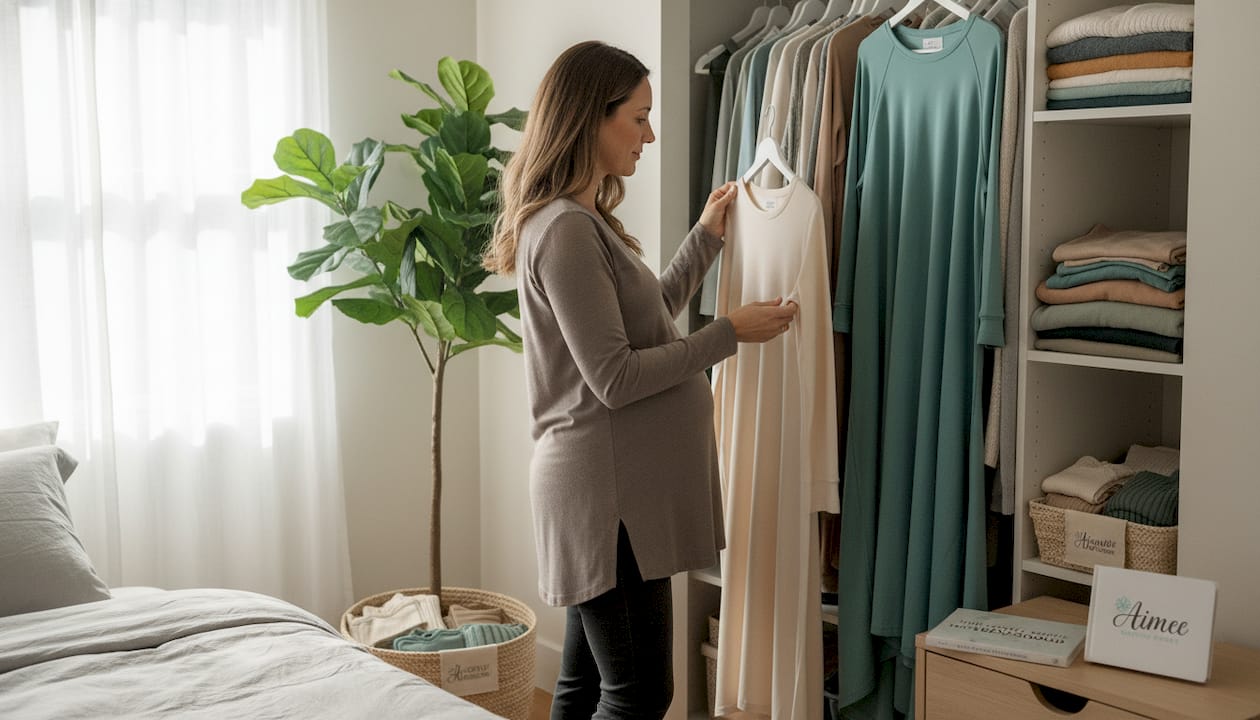
Bamboo fabric is a standout option in this space. It is naturally antimicrobial, incredibly soft against sensitive skin, and biodegradable. Products like bamboo maternity lounge shorts deliver that next-level softness while checking real environmental boxes, not just marketing ones. Check out the latest fashion trends for conscious shoppers to see how bamboo and other certified materials are reshaping the maternity category right now.
Comparing materials and certifications
Seen the benefits, now here’s how materials and certifications shape your choices and why they matter. Not all eco-friendly materials are equal, and the tradeoffs are real.
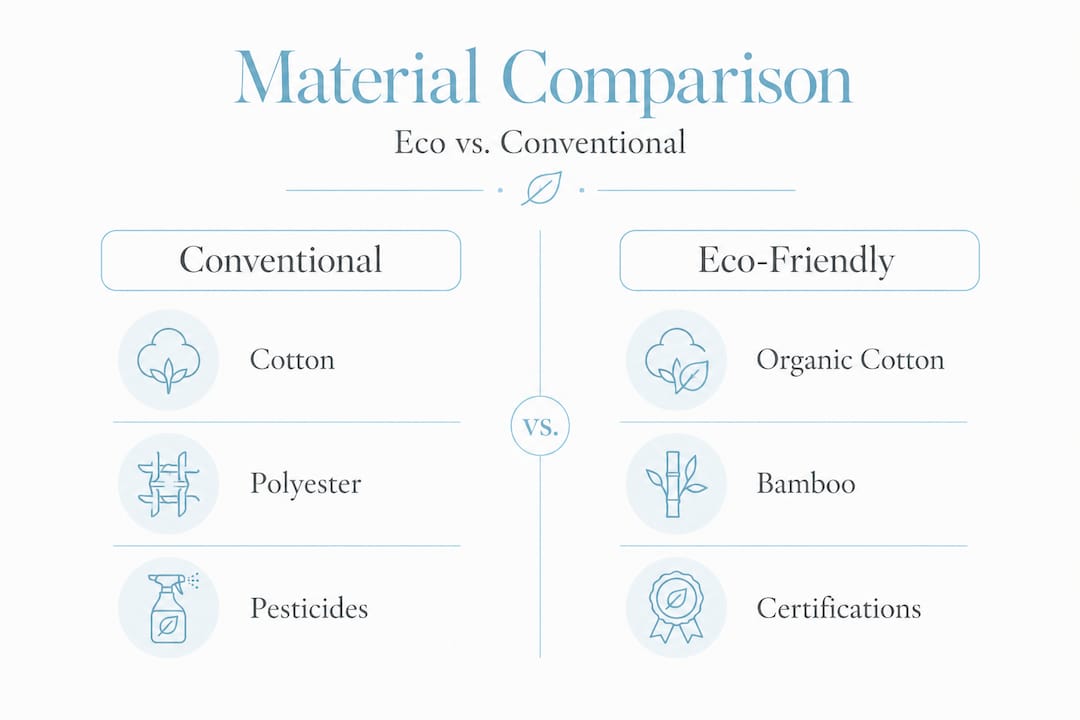
Organic cotton is the gold standard for skin safety and soil health, but it does carry a higher global warming potential (GWP) per garment than some alternatives. Research shows that organic cotton trousers produce approximately 12.23 kg CO2e due to land use and farming energy, which is actually higher than some polyester blends. Recycled synthetics like recycled polyester (rPET) reduce landfill waste and have a lower carbon footprint in manufacturing, but they shed microplastics during washing and do not biodegrade. Neither material wins on every single metric, which is exactly why experts push certifications over vague claims.
Here is how the main certifications compare:
| Certification | What it covers | Why it matters |
|---|---|---|
| GOTS | Organic fiber content, labor, chemicals, processing | Full supply chain verification |
| OEKO-TEX Standard 100 | Testing for 100+ harmful substances in finished garment | Ensures safety at point of skin contact |
| Fair Trade | Worker wages and labor conditions | Ethical production accountability |
| Bluesign | Chemical safety in dyeing and finishing | Reduced water and chemical impact |
Pro Tip: When shopping online, look for certification logos directly on the product page rather than just in a brand’s mission statement. Logos with tracking numbers are independently verified; general statements like “made sustainably” are not.
Fast fashion brands frequently exploit the absence of certification oversight. Vague eco claims without third-party verification are a hallmark of greenwashing. Some large fast fashion retailers have faced regulatory scrutiny over misleading sustainability marketing, and maternity consumers are a specific target because the emotional stakes of pregnancy make shoppers more receptive to feel-good claims.
Here is how to verify claims as a consumer before buying:
- Search the brand’s GOTS certification number on the official GOTS database.
- Check OEKO-TEX’s Buying Guide tool for independently verified products.
- Read the fabric composition label, not just the marketing description.
- Look for specifics in sourcing pages: country of origin, mill names, fiber percentages.
- Avoid brands that only list “sustainable” in general terms without certifiable proof.
Choosing a bamboo maternity bike short or a certified organic belly salve like this pregnancy belly salve over untested alternatives means you are making a decision backed by real standards, not just good packaging. Learn how to spot sustainable materials yourself so you can shop with confidence rather than relying solely on brand claims.
How to shop: Practical tips for eco-conscious maternity wear
Comparison done, now here’s how you can confidently shop for maternity pieces that are eco-friendly, comfortable, and stylish. Shopping smart is as important as shopping certified.
Start with certifications. Brands like Storq, Pact, and Kindred Bravely have built verified sustainability credentials through GOTS and OEKO-TEX compliance. These brands are transparent about their supply chains and have the documentation to back their claims. Prioritizing these brands as starting points saves you time and protects you from greenwashing.
Fit testing is critical and often overlooked in the eco-shopping conversation. Your body changes dramatically across trimesters and continues to shift postpartum. A garment that fits beautifully at 20 weeks may not work at 36 weeks, which is why adjustable designs and stretch-forward fabrics actually matter more for longevity than any certification alone. You want pieces that earn their place in your rotation for months.
Here is a practical checklist for smarter eco-maternity shopping:
- Prioritize multi-use designs that work during pregnancy, postpartum, and nursing
- Check fabric stretch and recovery, not just initial softness
- Read return and exchange policies before buying, since fit changes unexpectedly
- Consider resale value: high-quality certified pieces hold up better for secondhand markets
- Buy fewer, better pieces rather than filling a drawer with fast-fashion maternity
Pro Tip: Build a small maternity capsule wardrobe of 8 to 10 truly versatile pieces rather than buying 20 items you will barely use. A well-chosen capsule is more eco-conscious than a closet full of certified but rarely worn garments.
While organic fibers excel in health and skin safety, blends incorporating recycled synthetics may reduce overall carbon impact in some use cases. The honest answer is that full lifecycle assessment (LCA) data is still developing for maternity-specific garments, so the safest strategy is to prioritize certified pieces from transparent brands while choosing designs built to last.
Exploring eco-friendly nursing tops that transition from pregnancy to postpartum is a genuinely smart move because you effectively buy one garment that does the work of two. The same logic applies to nursing-friendly gowns, which work for labor, hospital stays, and newborn nights at home. Learning to upgrade your wardrobe sustainably is a skill that pays off across pregnancy and well beyond.
Our perspective: Why smart shopping matters more than chasing labels
Here is something we have noticed working closely with new and expectant mothers: the eco-conscious maternity shopping conversation gets stuck on certifications and materials when the most meaningful choices are actually about longevity and transparency.
Certifications like GOTS and OEKO-TEX are not optional, they are the floor, not the ceiling. But we have seen mothers buy an entire rack of certified organic pieces that did not fit properly by the second trimester, wound up unworn, and ultimately added to the very waste they were trying to avoid. The most sustainable garment is the one you actually wear, wash, and return to repeatedly.
Experts consistently prioritize certifications over vague eco language, and we agree with that entirely. But the next step beyond certification is brand transparency. A genuinely sustainable maternity brand should be able to tell you not just what certifications it holds, but where its fabric is milled, who sews its garments, and what its end-of-life plan looks like for returned items. If a brand’s sustainability page reads like a press release with no specifics, treat that as a warning sign.
The other common trap is eco-shopping as an all-or-nothing identity project. You do not need to replace every item in your maternity wardrobe overnight. Start with the pieces worn closest to your skin for the longest periods: underwear, sleep gowns, loungewear. These are the items where avoiding toxic chemicals delivers the most direct health benefit. Then build out from there.
We also want to push back gently on the idea that eco-conscious maternity wear is a premium-only market. Yes, certified fabrics cost more to produce. But buying two or three excellent pieces from comfortable maternity apparel that last through pregnancy and postpartum actually costs less over time than repeatedly restocking cheap fast-fashion items that pill, fade, or lose shape after a few washes.
The mothers who shop most successfully for eco-conscious maternity wear are the ones who ask a simple question before every purchase: “Will I still be wearing this in six months?” If the honest answer is no, that is a sustainability problem no certification can fix.
Explore stylish, sustainable maternity options
Ready to find maternity wear that genuinely earns the eco-conscious label? At NursingGowns.com, every product is chosen with both maternal comfort and responsible design in mind. Founded by a healthcare professional, the site brings clinical insight to the question of what new and expectant mothers actually need.
Start with essentials that do double duty. The seamless maternity underwear is designed to eliminate chafing while supporting your changing body through every trimester and beyond. The bamboo lounge shorts deliver the kind of softness that bamboo fabric is genuinely famous for. And for versatile everyday wear that grows with you, the range of comfortable nursing tops brings together style, function, and the multi-use design philosophy that makes every piece worth the investment.
Frequently asked questions
Which certifications should I look for in eco-conscious maternity wear?
GOTS and OEKO-TEX certifications are the most reliable for verifying organic fibers and confirming that finished garments are free from harmful chemicals. Look for independently verifiable certification numbers, not just logos on a homepage.
Is organic cotton always better than recycled materials?
Organic cotton is safer for skin and avoids synthetic pesticides, but recycled synthetics may lower overall carbon impact and textile waste for some garment types. The best choice depends on which environmental priority matters most to you.
How does eco-conscious maternity wear impact my health?
GOTS bans pesticides and GMOs while testing for toxic chemical residues, making certified maternity clothing significantly safer for the sensitive, hormonally reactive skin common during pregnancy. This protection also extends to newborns who spend time skin-to-skin with what you are wearing.
How can I avoid greenwashing when shopping?
Always prioritize brands with third-party certifications and transparent sourcing details, and avoid vague eco claims without documentation. Verifiable certification numbers, named suppliers, and specific material percentages are signs of a brand that actually walks its talk.