

Choosing what to wear during pregnancy and in the postpartum months sounds simple until you’re standing in front of a closet full of clothes that no longer fit right, pull at your belly, irritate your skin, or make nursing feel like a gymnastics routine. Fabric matters far more than most people realize. The right material will grow with your body, keep you cool or warm as needed, stand up to daily washing, and give you quick, discreet nursing access. This guide breaks down every major maternity and nursing fabric, so you can stop guessing and start choosing with confidence.
Table of Contents
- How to evaluate maternity fabric: Comfort, stretch, and function
- Cotton: Breathable, soft, and natural for sensitive skin
- Rayon, modal, bamboo, and Tencel: Super-soft, drapey, and stylish
- Spandex, elastane, and polyester: Stretch for support and recovery
- Quick-glance comparison: Which maternity fabric should you choose?
- A fresh perspective: What most guides miss about maternity fabrics
- Shop the best maternity and nursing fabrics
- Frequently asked questions
Key Takeaways
| Point | Details |
|---|---|
| Prioritize comfort and stretch | Soft, stretchy fabrics handle body changes and frequent washing better. |
| Choose blends for all-day use | Fabric blends combine comfort, support, and practicality for maternity and nursing. |
| Features matter as much as fiber | Look for nursing panels, easy access, and adjustability—not just fabric type. |
| Match fabric to occasion | Select cotton or bamboo for daily wear and spandex blends for active or supportive needs. |
How to evaluate maternity fabric: Comfort, stretch, and function
Before you look at individual fabrics, it helps to know what you’re actually shopping for. Maternity and nursing clothing live at the intersection of several competing demands, and understanding those demands makes every fabric decision much easier.
Softness and skin sensitivity come first. During pregnancy, skin can become more sensitive due to hormonal changes and stretching. Rough seams, stiff weaves, or synthetic finishes can cause real discomfort against a growing belly or tender postpartum skin. Always prioritize fabrics that feel gentle right out of the bag, before washing, because they’ll feel even more broken-in with time.
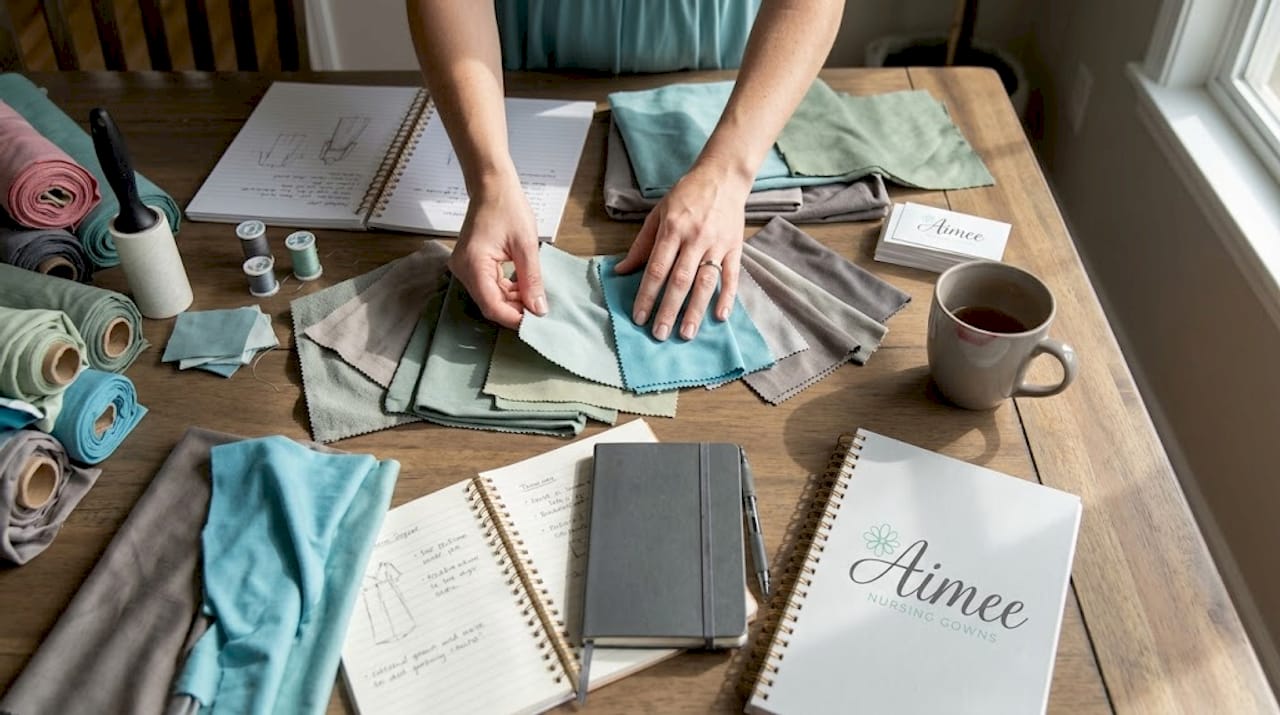
Breathability is the second major factor. Your body temperature runs higher during pregnancy. Many women experience night sweats in the third trimester and early postpartum period. Fabrics that trap heat will leave you uncomfortable and restless, especially in warmer months or if you live in a humid climate.
Stretch and recovery are critical throughout all three trimesters and beyond. A fabric with good stretch will accommodate your changing shape without pulling or bunching. “Recovery” refers to how well the fabric bounces back after being stretched. Poor recovery leads to baggy knees, sagging waistbands, and garments that look worn out after just a few washes.
Nursing access features matter as much as the fiber itself. Fabrics should transition from pregnancy to postpartum nursing with easy access through clips, hidden panels, and adjustable features. A beautiful bamboo nursing top is only as good as its ability to let you feed your baby quickly and without fuss.
Durability and washability round out the list. Maternity and nursing clothes get washed constantly. Milk spills, spit-up, and everyday wear mean you need fabrics that hold their shape, color, and softness through dozens of wash cycles.
Here’s what to look for when you check a garment’s fabric label:
- Softness: Look for modal, bamboo, Pima cotton, or Tencel as base fibers
- Stretch: A spandex or elastane content of 5% to 10% is usually enough for comfortable give
- Breathability: Natural and regenerated cellulose fibers outperform full synthetics for airflow
- Nursing access: Check for discreet panels or clips built into the garment design
- Care instructions: Machine-washable and dryer-friendly fabrics save time and energy
Pro Tip: When buying seamless maternity underwear or bamboo lounge shorts, check that the fabric content includes at least a small percentage of elastane. This tiny addition dramatically improves fit and longevity through all stages of pregnancy and postpartum recovery.
Cotton: Breathable, soft, and natural for sensitive skin
Cotton is the fabric most pregnant women reach for first, and for very good reason. It’s affordable, widely available, hypoallergenic, and genuinely comfortable against sensitive skin. Understanding the differences between cotton types helps you make smarter choices for specific garments.
Regular cotton is the most common and budget-friendly option. It’s breathable and absorbent, which makes it a great choice for daytime wear and underwear. The main drawback is that standard cotton has limited stretch on its own and wrinkles easily. For maternity wear, you’ll almost always want a cotton blend that includes a small amount of elastane to add give.
Pima cotton is a premium grade grown primarily in the American Southwest and Peru. It has extra-long fibers that create a noticeably smoother, softer fabric with a subtle sheen. It’s also more resistant to pilling and fading than regular cotton. If you’re investing in nursing tops or gowns you’ll wear daily, Pima cotton offers superior softness for skin that’s already working overtime.
Organic cotton is grown without synthetic pesticides or fertilizers, making it a safer choice for very sensitive skin and a more eco-conscious option overall. Many maternity brands now offer organic cotton basics, and the price difference has narrowed significantly in recent years.
Modal is often grouped with cotton because it behaves similarly, but it’s actually a regenerated fiber made from beech tree pulp. Modal is significantly softer than regular cotton, drapes beautifully, and resists shrinking and fading. You can learn more about modal fabric details to understand why it’s become a go-to for nursing-friendly sleepwear and postpartum loungewear.
“The best maternity fabrics feel just as good on day ninety as they did on day one. That’s the standard every piece in your wardrobe should meet.”
Cotton works well for:
- Nursing tops and tanks: Breathable and easy to layer with a nursing clip or hidden panel
- Maternity underwear: Hypoallergenic and absorbent for postpartum comfort
- Daywear and basics: Versatile enough to style up or down
- Hot weather: Cotton’s moisture absorption helps manage pregnancy-related heat
The main drawbacks of cotton are wrinkling and limited natural stretch. Unless blended with elastane or modal, pure cotton can feel restrictive as your belly grows. For comfortable nursing gowns worn during labor or recovery, a cotton-modal blend tends to offer the best combination of softness and easy movement.
Pro Tip: If you run hot during pregnancy, choose a lightweight cotton knit over a woven cotton. Knits have a natural stretch and breathe better, making them far more comfortable for all-day wear.
Rayon, modal, bamboo, and Tencel: Super-soft, drapey, and stylish
This family of fabrics, often called regenerated or semi-synthetic cellulose fibers, has become genuinely popular among modern maternity and nursing brands. They’re made from natural plant sources like wood pulp or bamboo grass, processed into ultra-soft, silky fibers that feel luxurious against skin.
Rayon (also called viscose) is the most common in this group. It’s lightweight, drapes beautifully, and feels cool against the skin. It tends to be more affordable than Tencel or modal but requires more careful washing. Rayon can lose its shape when wet, so always check the care label before buying.
Modal is a refined type of rayon made from beech wood. It’s significantly more durable and softer than standard rayon, making it ideal for everyday nursing wear. Modal’s properties include excellent color retention and a smooth texture that doesn’t pill after repeated washing.
Bamboo has become a favorite in the maternity world for good reason. It’s naturally moisture-wicking, meaning it pulls sweat away from your skin and dries quickly. Bamboo fibers also have natural antibacterial properties, which is a real bonus during postpartum recovery. Bamboo maternity shorts and sleepwear are popular because they regulate temperature well in both warm and cool conditions.
Tencel (the brand name for lyocell) is produced using a closed-loop process that recycles water and solvents, making it one of the most sustainable fabric options available. It’s smooth, breathable, and moisture-wicking, similar to bamboo but with a slightly crisper texture.
Here’s a quick comparison of these four fabrics:
| Fabric | Softness | Breathability | Durability | Eco-friendly | Best use |
|---|---|---|---|---|---|
| Rayon | High | High | Moderate | Low | Daywear, tops |
| Modal | Very high | High | High | Moderate | Sleepwear, loungewear |
| Bamboo | Very high | Very high | High | High | All-day, postpartum |
| Tencel | High | High | High | Very high | Nursing tops, gowns |
Care note: All four fabrics in this group prefer gentle washing. Cold water, a mild detergent, and low heat in the dryer will preserve their softness much longer. Avoid wringing or twisting these fabrics when wet.
These fabrics tend to feel noticeably cooler and more luxurious than standard cotton, which is why they’re increasingly used in nursing gowns and lounge pieces. If you run hot or live in a warm climate, bamboo and Tencel in particular are worth the slightly higher price.
Spandex, elastane, and polyester: Stretch for support and recovery
Synthetic stretch fabrics don’t get as much romantic attention as bamboo or Pima cotton, but they’re arguably the most functional group in a maternity wardrobe. Understanding when and how to use them makes a real difference.
Spandex and elastane are two names for the same fiber. It’s almost never used alone but is blended into other fabrics to add stretch and recovery. In maternity leggings, bras, and activewear, you’ll typically see 5% to 20% elastane mixed with cotton, polyester, or nylon. That small percentage completely transforms the garment’s fit and durability.
Polyester is another synthetic that often gets unfairly dismissed. High-quality polyester blends are extremely durable, colorfast, and quick-drying. They hold their shape through repeated washing far better than most natural fibers. For workout clothes, compression garments, and postpartum recovery wear, polyester-spandex blends are often the most practical choice.
The downside of full synthetics is heat retention. Pure polyester doesn’t breathe the way natural fibers do, which can be uncomfortable during pregnancy when your body temperature is already elevated. The solution is to look for high-quality blends that combine polyester’s durability with a breathable natural fiber. Check cool summer fabrics if you’re shopping during warmer months.
Well-designed no-chafe underwear often uses a nylon-spandex blend because it’s smooth, stretchy, and incredibly durable through daily wear and washing. As maternity garments should support postpartum recovery with adjustable and functional features, synthetic blends often make these features possible.
Here’s how to read a fabric composition label:
- Look at the first fiber listed. This is the dominant material and determines the fabric’s main character.
- Check for elastane or spandex. Even 2% to 5% makes a noticeable difference in stretch and recovery.
- Note the percentage of synthetic versus natural fibers to estimate breathability.
- Look for certifications like OEKO-TEX, which confirms the fabric has been tested for harmful substances.
- Check care instructions before you buy to avoid shrinking or damage.
| Fabric | Stretch | Breathability | Durability | Best for |
|---|---|---|---|---|
| Spandex/Elastane blend | Excellent | Moderate | High | Leggings, bras, activewear |
| Polyester blend | Good | Low to moderate | Very high | Workout, compression wear |
| Nylon blend | Very good | Moderate | High | Underwear, seamless pieces |
Pro Tip: If you’re choosing maternity activewear, look for fabrics labeled as “moisture-wicking” or “four-way stretch.” These indicate a high-quality spandex blend designed for movement and sweat management, which makes them comfortable for prenatal yoga, walks, or light workouts throughout pregnancy.
Quick-glance comparison: Which maternity fabric should you choose?
After looking at each fabric in detail, here’s a simple reference to help you match fabric to need.
| Fabric | Best season | Comfort level | Stretch | Nursing-friendly | Care |
|---|---|---|---|---|---|
| Cotton | All seasons | High | Low (unless blended) | Yes | Easy |
| Pima/Modal | All seasons | Very high | Moderate | Yes | Easy |
| Bamboo | Summer, postpartum | Very high | Moderate | Yes | Gentle |
| Tencel | Spring/Summer | High | Low | Yes | Gentle |
| Polyester blend | Winter, workouts | Moderate | High | Situational | Easy |
| Spandex blend | Year-round | High | Excellent | Yes | Easy |
Quick recommendations by need:
- Hot summer days: Bamboo, Tencel, or lightweight cotton
- Overnight and labor wear: Modal or bamboo nursing gowns
- Postpartum underwear: Seamless nylon-spandex or organic cotton
- Active days: Polyester-spandex or nylon-spandex blends
- Sensitive skin: Organic cotton, Pima cotton, or modal
A fresh perspective: What most guides miss about maternity fabrics
Most maternity fabric guides send you searching for the single “best” fabric, as if one fiber can meet every need across nine months of pregnancy, labor, and the postpartum period. That framing is genuinely unhelpful.
The truth is, no single fabric does everything well. Pure cotton is wonderful for a warm afternoon but won’t give you the stretch support you need for a long walk in your third trimester. Bamboo is dreamy for sleepwear but may not survive the workout demands of prenatal fitness classes. Chasing fabric purity often leads to a wardrobe full of pieces that each work beautifully in one narrow scenario and poorly in others.
What actually works is building a flexible wardrobe around blends and multi-function garments. A modal-spandex nursing gown covers labor, hospital recovery, and early breastfeeding nights in one piece. A bamboo-cotton lounge set transitions from morning school runs to afternoon naps. The feature design, such as hidden panels, nursing clips, and adjustable waistbands, often matters more than the specific base fiber.
We’d also encourage you to think trimester by trimester and postpartum by stage. First trimester often calls for subtle stretch and comfort. Third trimester demands serious support and breathability. Early postpartum prioritizes nursing access and gentleness. Your fabric needs shift, and your wardrobe should too. Explore nursing tops that combine fabrics thoughtfully rather than defaulting to whatever’s marketed as “natural.”
Shop the best maternity and nursing fabrics
Knowing your fabrics is only half the equation. The other half is finding garments that actually use these materials well, with thoughtful design details that make nursing and postpartum life easier.
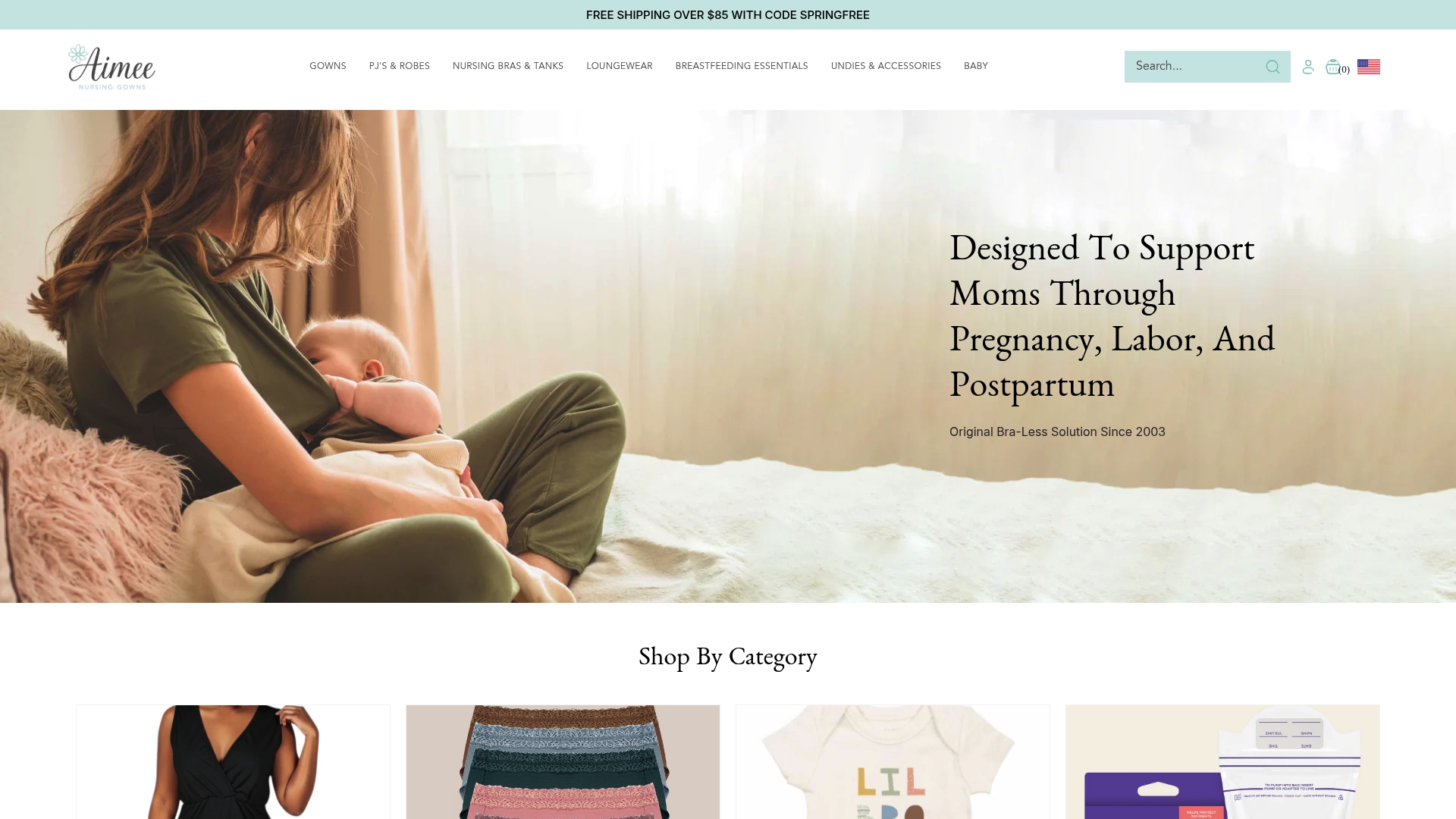
At NursingGowns.com, every piece is designed with real maternal needs in mind. From seamless maternity underwear in skin-soft nylon-spandex to a full range of maternity nursing tops made from breathable, stretch-friendly blends, you’ll find garments built for comfort across every stage. If you’re looking for labor and recovery options, our collection of nursing gowns combines the best fabric qualities, soft, stretchy, breathable, and washable, with nursing-friendly features that actually work under real-life pressure.
Frequently asked questions
Which fabric is the most comfortable for summer pregnancies?
Lightweight cotton, bamboo, and modal are the most breathable and comfortable choices for warm weather maternity wear because they wick moisture and allow airflow.
Are blends or pure materials better for maternity clothes?
Blends are usually best because they combine comfort with stretch. Maternity fabrics transition best when they include adjustable and functional features that pure fibers alone often can’t deliver.
Can I wear activewear fabrics for everyday maternity outfits?
Yes. Many activewear fabrics with spandex or polyester blends offer excellent stretch and support for daily wear, especially as your body changes in the second and third trimesters.
How do I care for delicate fabrics like modal or bamboo?
Wash on a gentle cycle with mild detergent and avoid high heat in the dryer. Modal and bamboo maintain their softness and shape much longer with cool, gentle care.
What features make maternity fabrics nursing-friendly?
Nursing-friendly fabrics pair softness and stretch with design features like hidden panels or clips. Nursing-ready garments should provide easy, discreet breastfeeding access throughout the postpartum period.